Twilight Art — Visual Art, Creative Culture, and Independent Galleries
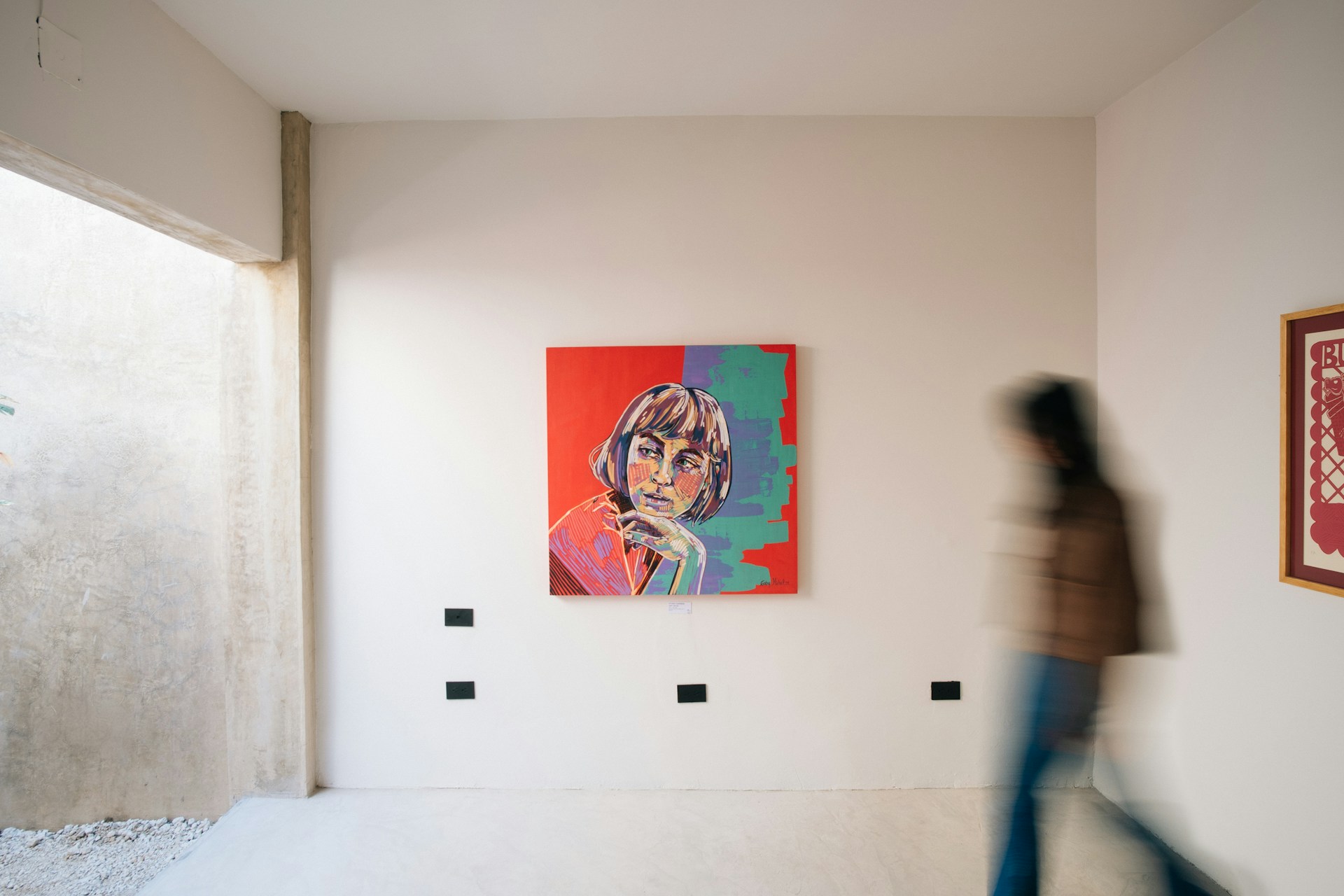
Visual art occupies a particular kind of in-between space — between intention and interpretation, between the artist's hand and the viewer's eye, between the raw material and the finished object. Twilight Art explores that space: the galleries, the artists, the communities, and the craft traditions that keep contemporary visual culture alive and evolving.
This publication covers a broad range of subjects within the visual arts. From the independent gallery scene of the Pacific Northwest to the enduring appeal of gemstone jewelry, from the cooperative spirit of artist collectives to the intimate scale of boutique art spaces, the art world is far richer than its most visible institutions suggest. The guides here are written for curious readers — collectors, students, visitors, and anyone who has walked past a gallery window and wanted to know more.
The Art Scene Beyond the Museum
Most people encounter art through major institutions: the large encyclopedic museum, the commercial auction house, the blockbuster touring exhibition. These spaces matter, but they represent only a fraction of the creative activity happening in any given city. The more interesting work often unfolds in smaller, less-publicized venues: the cooperative gallery run by its own member artists, the studio that opens its doors on a Saturday afternoon, the pop-up show staged in a vacant storefront for a single weekend.
Independent galleries occupy a distinctive position in this ecosystem. They operate with lower budgets, smaller staff, and a willingness to take risks on artists whose work doesn't yet have a market. For emerging artists, these spaces provide essential visibility. For collectors, they offer an entry point that isn't priced for the auction circuit. And for the general public, they tend to be more approachable — the kind of place where the conversation starts freely and no one expects a purchase.
Seattle has long supported a robust independent art scene, shaped in part by its geography — a city of distinct neighborhoods, each with its own character — and in part by a creative community that has historically valued collaboration over competition. The gallery landscape in West Seattle, Capitol Hill, Pioneer Square, and beyond reflects decades of that culture.
Craft, Jewelry, and the Material Arts
Not all visual art hangs on a wall. Craft traditions — ceramics, weaving, metalwork, jewelry-making — involve the same creative intelligence as painting or sculpture, applied to objects that are handled, worn, and used. The distinction between "fine art" and "craft" has always been somewhat artificial, and it is increasingly questioned by artists who work fluidly across both.
Gemstone jewelry in particular occupies a fascinating position: it combines geological time (minerals formed over millions of years) with contemporary design and intimate personal meaning. Stones like pyrite, with its metallic luster and striking geometry, have moved steadily from geological curiosity to sought-after jewelry material. Understanding what makes a piece of gemstone jewelry well-crafted — the quality of the stone, the integrity of the setting, the coherence of the design — is part of becoming a more confident buyer and collector.
Community and the Collective Model
Art has always involved community, even when it presents itself as an individual pursuit. The artist collective is one of the oldest and most productive models in visual culture: a group of artists who share resources, hold joint exhibitions, support each other's practice, and present a collective voice to the broader world. From the Impressionists to the Harlem Renaissance to contemporary studio cooperatives, the collective model has generated some of the most significant work in art history.
Today's collectives take many forms. Some are formally structured, with membership criteria and shared studio space. Others are loose affiliations that coordinate around exhibitions or shared themes. What they have in common is a belief that art-making doesn't happen in isolation — that the conversation between artists, and between artists and their communities, is itself part of the creative process.
Explore the Guides
The following sections explore these themes in depth, with practical information for visitors, collectors, and anyone curious about the visual arts.
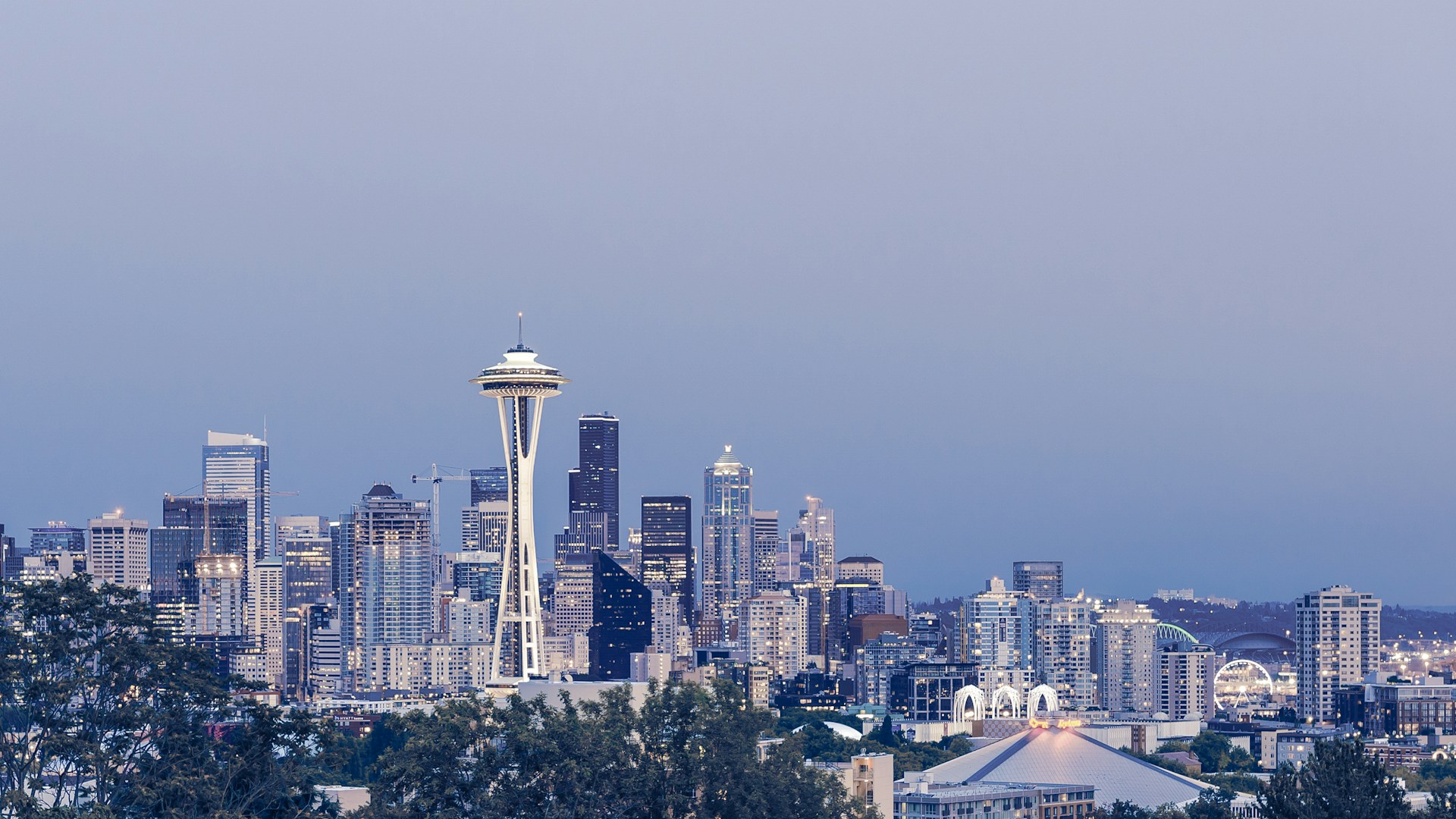
Art Galleries in Seattle
A guide to the city's independent gallery scene, from West Seattle to Capitol Hill and Pioneer Square.
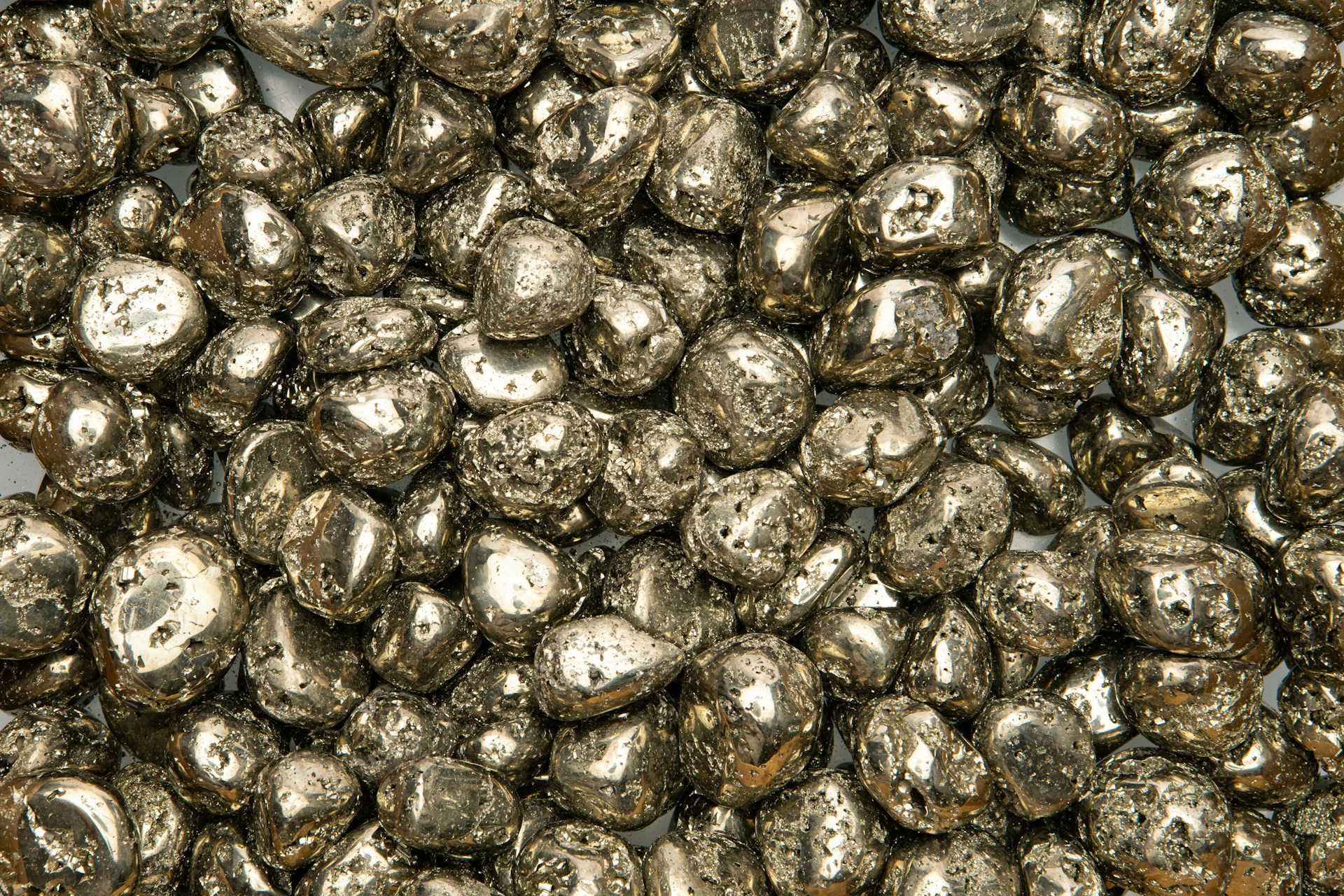
Pyrite Ring Guide
Everything about choosing and wearing pyrite jewelry — what it is, how to buy it, and how to care for it.
Artist Collectives
How creative communities shape contemporary art — and how to find or form one.
Boutique Art Spaces
Independent studios, small galleries, and artisan markets — the intimate side of the art world.
What's On in Seattle
First Thursday Art Walk
First Thursday monthly, 5–9 pm — Pioneer Square
The city's central gallery walk, with the densest concentration of galleries in one square mile. Remaining 2026 dates: June 4, July 2, Aug 6, Sept 3, Oct 1, Nov 5, Dec 3.
Central District Art Walk
First Friday monthly, 6–9 pm — free & self-guided
A free, self-guided walk across multiple venues in the Central District. No tickets required — arrive at any point between 6 and 9 pm.
Georgetown Art Attack
Twice yearly — spring & fall (fall edition: October 2026)
Open studios event that unlocks dozens of Georgetown artist studios to the public. One of the best opportunities to visit working studios in the city.
Seattle Art Fair
July 23–26, 2026
Tenth edition of the flagship summer art fair, with beneficiary partner Seattle Art Museum and artistic director Nato Thompson.
Bellevue Arts Fair Weekend
Last weekend of July — annual
More than 350 artists exhibiting handcrafted work across 20+ mediums, with live performances and hands-on programming throughout the weekend.
Anacortes Arts Festival
July 31 – Aug 2, 2026 — Commercial Avenue
Annual summer festival on Commercial Avenue in Anacortes, about 80 miles north of Seattle. A regional fixture in the Pacific Northwest arts calendar.
Monochrome: Calder and Tara Donovan
Through Jan 17, 2027 — Seattle Art Museum
A dialogue between Alexander Calder's wire and sheet-metal works and Tara Donovan's accumulation-based sculptures, both pursuing form through single-material constraint.
Beyond Mysticism: The Modern Northwest
Through Aug 2, 2026 — Seattle Art Museum
Works by Northwest modernists examined outside the mystical narrative that has long framed the region's mid-century art history.
Ai Weiwei: Circle of Animals / Zodiac Heads
Through Oct 24, 2027 — Olympic Sculpture Park
Twelve large-scale bronze zodiac heads installed at the Olympic Sculpture Park — Ai Weiwei's meditation on cultural heritage and repatriation.
Samantha Yun Wall: What We Leave Behind
Through Oct 4, 2026 — Seattle Art Museum
New work by Seattle-based artist Samantha Yun Wall, exploring material traces, memory, and the residue of domestic life.
DRIFT: Meadow
Through Apr 11, 2027 — Seattle Art Museum
A large-scale installation by Dutch studio DRIFT, transforming the museum space with kinetic sculptural elements that evoke natural meadow environments.
A Room for Animal Intelligence
Through Jan 31, 2027 — Seattle Art Museum
An immersive exhibition exploring animal cognition, perception, and communication through artist interpretations of non-human intelligence.
Fall art season (September–November) brings the most significant gallery openings of the year, as galleries time major debuts for when collectors return from summer travel.
A Note on Sources and Approach
Twilight Art approaches these subjects editorially: researching each topic with care, consulting published sources, and writing for a general audience rather than a specialist one. Information on gallery listings, artist organizations, and gemstone markets is current as of 2026, though readers should always verify details directly with venues before visiting. The visual arts world moves quickly, and a gallery's hours, exhibitions, and even address can change.
The publication is independent and editorially driven — it does not accept paid placements or sponsored recommendations. When galleries, artists, or products are mentioned, it is because they are relevant to the subject being covered.