Boutique Art — Independent Studios, Small Galleries, and Artisan Craft
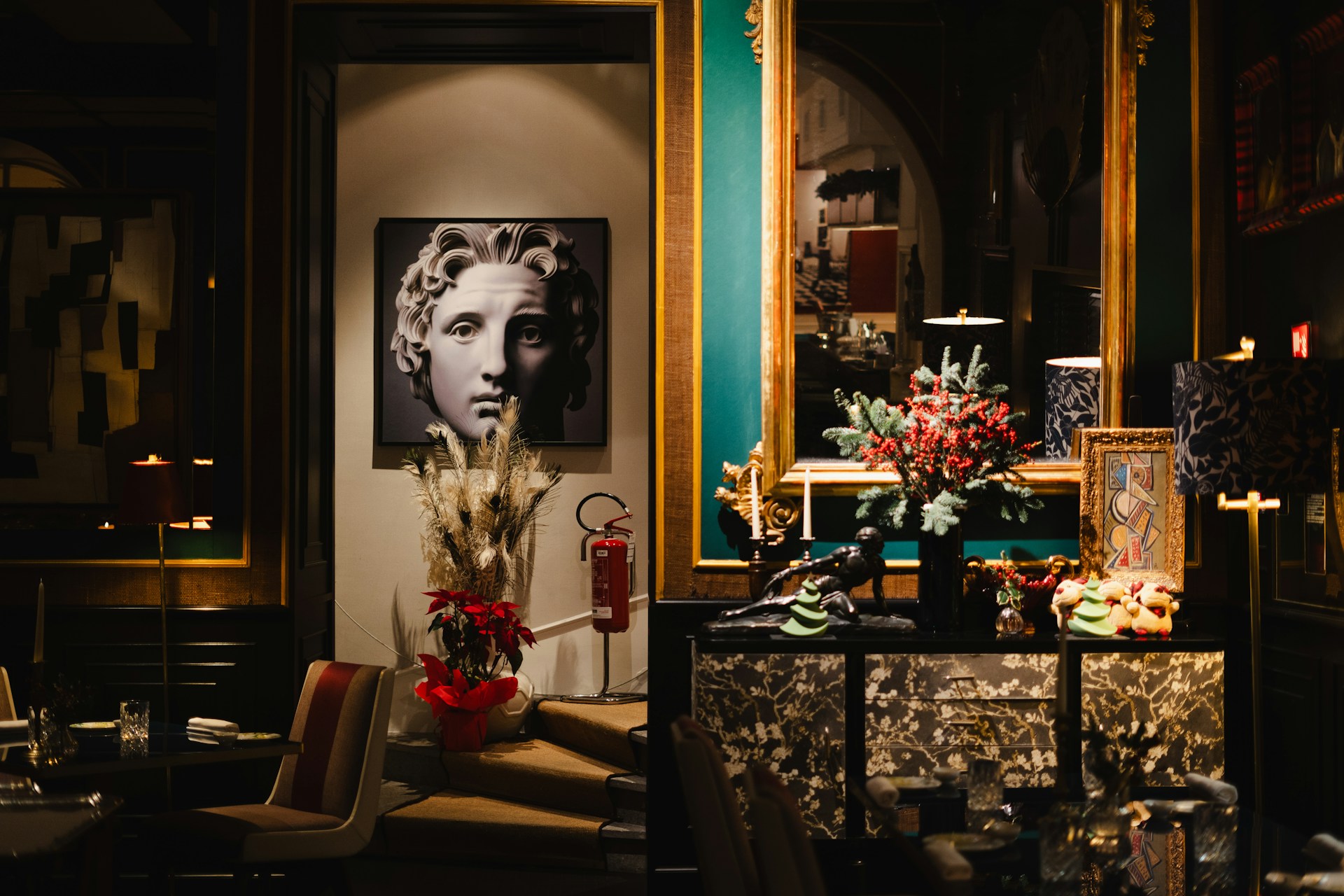
Boutique art occupies the most human-scaled corner of the art world. These are spaces where the work is made with genuine care, the quantities are limited, and the experience of buying is personal rather than transactional. Whether it is a painter's studio open to visitors on weekend afternoons, a cooperative shop run by a group of craftspeople, or a small gallery curated around a single coherent aesthetic vision, boutique art spaces offer something the larger art market cannot replicate: the sense of discovering something made by someone specific, for reasons that matter.
The appeal of boutique art has grown in recent years alongside a broader cultural shift toward local production, craft quality, and meaningful objects. Buyers who might once have purchased mass-produced decorative items are increasingly drawn to work that carries the marks of individual hands and individual choices — paintings, prints, ceramics, jewelry, and textiles that are one-of-a-kind or made in very small editions.
What Is Boutique Art?
Boutique art refers to original artwork and artisan craft sold through small, independent galleries, studio spaces, and artist-run shops. The term emphasizes the intimate scale, curated character, and direct relationship with makers that distinguish these spaces from larger commercial galleries or mass-market retail.
Boutique art spaces typically carry work in limited quantities, often directly from the artists who made it. The curation tends to reflect a coherent sensibility — the space has a point of view — rather than simply representing whatever is available. This selectivity is one of the defining characteristics of the boutique model, and it is what makes these spaces worth seeking out.
Price points in boutique art tend to be more accessible than in established commercial galleries. Original works on paper, small ceramics, jewelry, and prints are often available for a few hundred dollars. More substantial pieces — large paintings, unique sculptures, or complex craft works — may cost more, but the boutique context usually means the artist is receiving a higher proportion of the sale price than they would through a large commercial gallery.
Boutique vs Commercial Galleries
The distinction between boutique and commercial galleries is not absolute — some commercial galleries have boutique characteristics, and some boutique spaces operate quite commercially — but there are general differences worth understanding:
- Scale. Boutique spaces are typically small, often occupying a single room or a storefront. Commercial galleries range widely in size, with major galleries occupying multiple floors of purpose-built spaces.
- Representation. Commercial galleries formally represent artists — they have contractual relationships, take commissions of 40–50%, and manage the artists' market presence. Boutique spaces may carry work from many artists on a consignment basis without formal representation agreements.
- Curation. Boutique curation is often highly personal, reflecting the aesthetic of the shop owner or the working artists. Commercial gallery curation responds to market demand as well as aesthetic considerations.
- Atmosphere. Boutique spaces tend to feel more casual and conversational. Visitors are not expected to be serious collectors, and browsing without purchasing is entirely welcome.
Types of Boutique Art Spaces
The boutique art landscape takes many forms:
- Studio galleries are working studios that the artists open to visitors — either continuously or on scheduled days. The work is made and sold in the same space, and the visible evidence of process (materials, works in progress, tools) is part of the experience.
- Artist-run shops combine retail and gallery functions, typically carrying work from a curated group of local makers. These spaces may sell everything from paintings to ceramics to handmade jewelry and printed textiles under one roof.
- Pop-up art events are temporary gatherings — in vacant storefronts, in rented event spaces, in community centers — where artists present and sell their work directly. These events often coincide with neighborhood art walks, holiday seasons, or specific community occasions.
- Artisan craft markets are organized events where independent makers sell their work side by side. The range within a single market can be enormous — pottery, jewelry, fiber arts, woodwork, printmaking, and painting may all be present — making them efficient ways to encounter a wide variety of boutique work in a short time.
How to Buy Boutique Art
Buying art from boutique spaces is considerably more straightforward than navigating the commercial gallery market. A few principles help:
Buy what you genuinely respond to. Boutique art is not a financial investment in the same way that blue-chip contemporary art might be. Its value is primarily experiential — the work will live in your home or on your body, and the right criterion for buying it is whether it gives you genuine pleasure.
Ask about the artist and the work. One of the advantages of boutique spaces is that the story behind the work is accessible. Asking how something was made, what the artist was thinking about, or where the materials came from is not intrusive — it is how these spaces are designed to be used.
Understand what you are buying. In a boutique context, it is worth asking whether a work is an original, a limited edition print, or an open edition reproduction. These distinctions affect both price and the nature of what you own. Originals are unique; limited editions exist in numbered quantities; open editions may be reproduced indefinitely.
Consider smaller works for first purchases. Original prints, drawings, and small paintings are often available at prices that make a first art purchase genuinely manageable. Starting with a smaller investment is a reasonable way to begin building a collection and understanding your own taste.
Supporting Independent Artists
Buying from boutique art spaces is one of the most direct ways to support working artists. In large commercial galleries, a significant portion of the sale price goes to the gallery's operational costs and profit. In boutique contexts — particularly direct studio sales or artist-run shops — a much higher proportion of the purchase price reaches the maker.
Beyond buying, supporting independent artists involves attending their exhibitions and events, recommending their work to others, and engaging with them on the platforms where they share their work. Artists in boutique contexts are building audiences as well as selling work, and visibility matters alongside sales.
Craft markets, open studio events, and neighborhood art walks are opportunities to make connections with artists before any purchasing decision. These encounters — seeing how someone talks about their work, understanding their motivations and process — are part of what makes boutique art a richer experience than buying from an anonymous retail context.
Frequently Asked Questions
Boutique art refers to original artwork and artisan craft sold through small, independent galleries, studio spaces, and artist-run shops. The term emphasizes intimate scale, curated character, and a direct relationship with the artists who made the work. Boutique art spaces typically carry limited quantities, often sold directly by or on behalf of the artists themselves.
A boutique gallery is typically smaller, more intimately curated, and often operated by artists or collectors with deep personal investment in the work. Commercial galleries may represent artists under formal contractual agreements and focus sales toward established collectors. Boutique spaces tend to offer wider price points and a more casual, conversational atmosphere.
Local arts organizations, municipal arts agencies, and neighborhood business associations often maintain directories of galleries and studios. Art walks — organized monthly or seasonal events where galleries and studios open simultaneously — are an efficient way to encounter many boutique spaces in a single outing. Craft markets and artist fairs are also good entry points, as they concentrate many makers in one place.
An original artwork is unique — there is only one. A limited edition print is a reproduction made in a specified quantity (for example, 50 copies), each numbered and usually signed by the artist. An open edition print is reproduced without a set limit. Originals command the highest prices; limited editions occupy a middle ground; open editions are typically the most affordable. All three can be worthwhile purchases depending on your budget and preferences.
Boutique art from emerging or independent artists is not primarily a financial investment in the way blue-chip contemporary art might be. Its value is experiential — the work enriches your living space and your relationship to the creative process. That said, buying work from artists early in their careers, when prices are accessible, occasionally proves financially significant over time. The more reliable investment is in the quality of your daily environment.