Pyrite Ring Guide — Choosing and Wearing Fool's Gold Jewelry
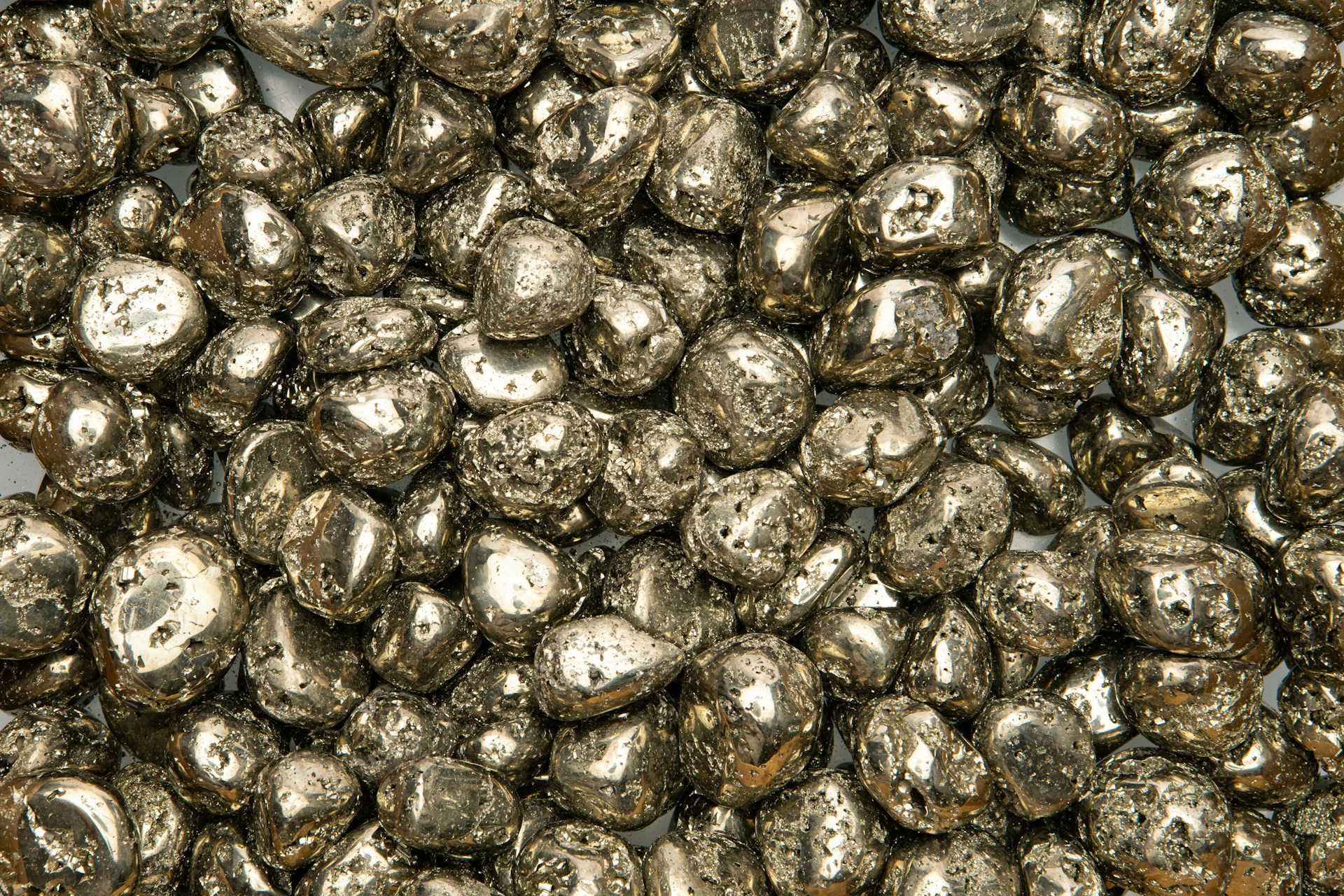
A pyrite ring carries the weight of geological time — iron sulfide crystals formed under intense heat and pressure, exhibiting a metallic luster so striking that miners have repeatedly mistaken it for gold. That confusion gave pyrite its famous nickname, fool's gold, but the stone has long since transcended the insult. In contemporary jewelry, pyrite is valued precisely for what it is: a dramatic, affordable, and visually distinctive material with a character that no synthetic substitute can replicate.
This guide covers what pyrite is and why it works so well in ring settings, the main styles available, how to evaluate quality when buying, and how to care for a pyrite ring to keep it looking its best.
What Is Pyrite?
Pyrite is iron sulfide (FeS₂), a mineral that forms in a wide range of geological environments — sedimentary, metamorphic, and hydrothermal. It is one of the most abundant sulfide minerals on Earth and occurs on every continent. Its defining characteristic is its metallic luster and pale brass-yellow color, which under the right light appears almost identical to gold.
The crystal structure of pyrite is cubic, which means it naturally forms in geometric shapes: perfect cubes, pyritohedra (twelve-sided forms), and octahedra. Raw pyrite specimens often show these sharp geometric faces clearly, which is part of their appeal as decorative and jewelry materials. The stone has a Mohs hardness of 6 to 6.5 — harder than glass (5.5) but softer than quartz (7).
Pyrite is found worldwide. Notable sources include Spain (the Iberian Pyrite Belt), Peru, and the United States (particularly Colorado and Illinois). Spanish and Peruvian pyrite are among the most highly regarded for their clarity and well-defined crystal faces.
Why Pyrite Works in Jewelry
Pyrite's appeal in jewelry rests on several qualities that more expensive stones don't always offer. The metallic luster creates a brilliance that catches and reflects light in an unusual way — different from the refractive sparkle of a faceted gem and more akin to polished metal, but warmer and more complex because the crystal structure creates surface variation.
The affordability of pyrite relative to gold, silver, or precious gemstones makes it accessible for jewelry makers and buyers who want visual impact at a reasonable price. A well-set pyrite ring can look considerably more expensive than it is — which is, in a sense, the aesthetic that the stone has always offered.
Pyrite also works aesthetically in a moment when raw, geological aesthetics are fashionable. The interest in crystals, minerals, and natural materials in contemporary design has renewed attention to stones that earlier generations of jewelers might have overlooked. Pyrite fits naturally into this aesthetic: it looks ancient, material, and unmediated in a way that a clear-cut diamond does not.
Pyrite Ring Styles
Pyrite is used in rings in several distinct ways, each producing a different visual and tactile effect:
- Raw crystal pyrite rings feature uncut or minimally shaped pyrite — often a single crystal cluster or a rough cube — set in silver or gold. These are the most dramatically geological, and they work best as statement rings rather than everyday wear.
- Polished cabochon settings use pyrite that has been ground and polished into a smooth, domed shape. The polished surface emphasizes the metallic luster while reducing the rough-edged quality of raw crystal. These settings are more versatile and tend to wear better over time.
- Faceted pyrite rings apply the same cutting techniques used for transparent gemstones to pyrite, creating a many-sided stone with sharp facets. Faceting enhances the light play and gives a pyrite ring a more formal, jeweled appearance.
- Wire-wrapped pyrite rings are a handcraft tradition in which wire — typically copper, silver, or gold-filled — is wound around a pyrite specimen to create a setting without traditional metalworking. These are often made by independent jewelers and tend to be highly individual in character.
- Marcasite-style settings use small pyrite stones set closely together in silver, creating a surface texture that catches light from many angles. Marcasite jewelry has a long history in Art Deco and Victorian design, and contemporary versions continue this tradition.
How to Choose a Pyrite Ring
Evaluating a pyrite ring involves looking at the stone, the setting, and the relationship between them. A few things to consider:
Stone quality. Look for pyrite with good luster — the metallic surface should appear bright and reflective, not dull or tarnished. On raw crystal pieces, the geometric faces should be well-defined. Avoid stones with significant surface oxidation (a brownish or reddish coating), which indicates weathering that will worsen over time.
Setting integrity. The pyrite should be secure in its setting with no movement. Because pyrite is moderately brittle, a loose stone is at risk of chipping or cracking. Prong settings work well for cabochons; bezel settings (where metal wraps around the stone) provide maximum security for raw or irregular specimens.
Metal compatibility. Sterling silver is the most common metal used with pyrite and complements the stone's warm metallic tones. Gold-filled and solid gold settings work well too. Avoid base metal settings that may corrode, especially if the ring will be worn regularly.
Intended use. Pyrite rings are best treated as occasional-wear pieces rather than everyday rings. If you want a ring you can wear every day without thinking about it, pyrite may not be the right choice — but for special occasions or considered wearing, it is excellent.
Caring for a Pyrite Ring
Pyrite requires slightly more care than harder gemstones, but its maintenance is straightforward. The key enemies are moisture, chemicals, and impact:
- Remove the ring before washing hands, bathing, swimming, or using cleaning products. Prolonged exposure to water and soap can cause surface oxidation.
- Avoid ultrasonic cleaners, which can damage the stone. Clean with a soft, dry cloth; for more thorough cleaning, a very slightly damp cloth followed by immediate drying.
- Store the ring separately from other jewelry, especially harder stones that could scratch the pyrite surface. A small cloth pouch or a padded compartment in a jewelry box works well.
- Avoid wearing a pyrite ring during manual work, sports, or any activity involving impact. The stone's brittleness makes it vulnerable to chipping if struck against hard surfaces.
Where to Buy a Pyrite Ring
Pyrite rings are available through independent jewelers who work with natural stones, gem and mineral shows, artisan craft markets, and online marketplaces specializing in handmade jewelry. The gem and mineral show circuit — which includes major events in Tucson, Denver, and many regional cities — is one of the best places to find high-quality pyrite at fair prices, often directly from the people who source or cut it.
Independent jewelers who work in the crystal and natural stone aesthetic are often the most reliable source for well-made pyrite rings. These makers typically have a genuine interest in the material and understand its properties, which is reflected in the quality of their settings. Boutique art galleries and craft markets are also good sources, particularly in cities with strong craft jewelry traditions like Seattle, Portland, and the Bay Area.
Frequently Asked Questions
A pyrite ring is a piece of jewelry that features pyrite — iron sulfide (FeS₂) — as its main stone or decorative element. Known for its metallic, mirror-like luster and pale brass-yellow color, pyrite has earned the nickname "fool's gold." It appears in rings in forms ranging from raw crystal clusters to polished cabochons and faceted stones.
Pyrite is safe to wear as jewelry in a ring setting. The stone is not toxic when worn externally. However, it should not be submerged in water for extended periods, as moisture causes surface oxidation and dulling. Removing a pyrite ring before washing hands, swimming, or using cleaning products will preserve its appearance.
Pyrite has a Mohs hardness of 6 to 6.5, making it moderately durable but softer than quartz (7) or sapphire (9). It can scratch with rough handling and works best as an occasional-wear piece rather than an everyday ring. Storing it separately from harder stones prevents surface damage.
Pyrite's pale brass-yellow color and metallic luster are strikingly similar to gold, leading miners throughout history to mistake it for the precious metal. The nickname "fool's gold" stuck, though pyrite has no association with foolishness in contemporary jewelry — it is appreciated for its own distinctive qualities rather than as a gold substitute.
Sterling silver is the most common and complementary metal for pyrite settings, as its cool tone contrasts with pyrite's warm brass-yellow in an appealing way. Gold-filled and solid yellow gold settings also work well and emphasize the gold-like quality of the stone. Avoid base metal settings that may corrode over time.
Brief exposure to water is not immediately damaging, but pyrite should not be worn in the shower, pool, or during extended hand-washing. Water causes a slow oxidation process that dulls the stone's metallic surface over time. Always dry the stone thoroughly if it does get wet, and avoid wearing the ring when using soap or cleaning products.
Clean a pyrite ring with a soft, dry cloth. For more thorough cleaning, use a barely damp cloth and dry immediately and completely. Avoid ultrasonic cleaners, steam cleaners, and chemical cleaning solutions. The goal is to remove dust and oils without introducing moisture. Regular gentle polishing with a soft cloth is sufficient to maintain the stone's luster.